
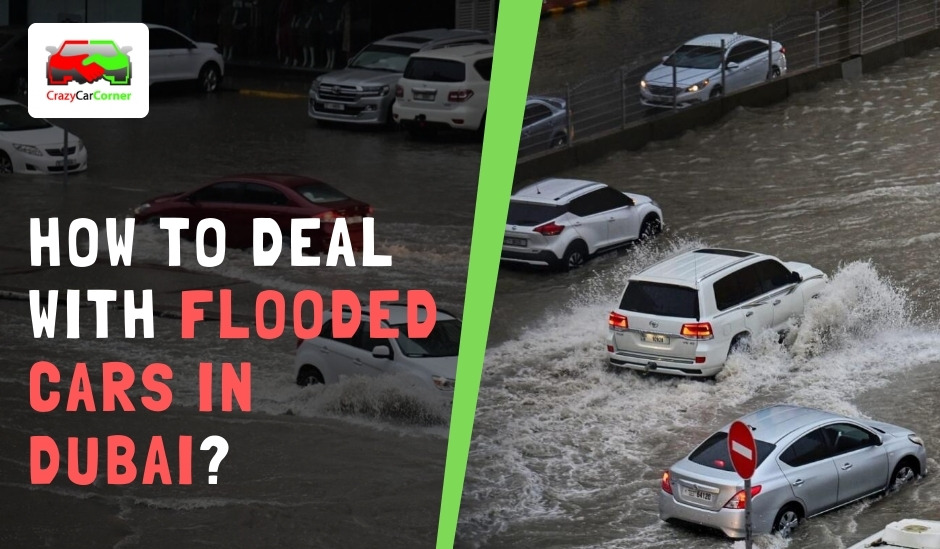
Floods may be terrible occurrences that frequently leave our cars in their wake of devastation. Floodwater can seriously damage a car's engine, interior, electrical system, and other parts. If you have a flooded car, be calm. Here is a thorough how-to guide to assist you handle the fallout step-by-step:
What to Do With Damages From Floods To A Car in Dubai?
Floodwater can lead to some issues with your vehicle, such as:
Water damage or short circuits in electrical components can cause problems with the engine control unit, lights, power windows, and other electrical systems.
Engine Damage: Floodwater can get into the engine through the exhaust or air intake, corroding the internal parts and perhaps leading to an engine seizure.
Interior Damage: Mould growth and a musty aroma can result from water damage to carpets, upholstery, and other interior components.
Rust: Floods have the potential to hasten the rusting of metal components, compromising the car's structure. Read our advice on how to remove rusting from a car.
Recovering A Flood-Damaged Car Safety
Make sure the floodwaters have completely subsided before approaching your damaged car. Steer clear of wading through floodwater because there could be electrical risks.
Record the Damage: Record the flood damage to your vehicle with photos and videos. This will be useful if you ever need to file an insurance claim.
Move the Car (if at all possible): Take your car to a dry, safe place once the floodwaters have subsided. At all costs, avoid starting the engine.
Disconnect the Battery: Loosen and remove the negative terminal connector from the car's battery to prevent electrical shorts.
Contact Your Insurance Provider
Get in touch with your insurance provider as soon as you can to report the damage and find out how to file a claim.
Examining Damage
You can start examining the damage after the car is in a secure area. Observe the following:
- Examine the interior for signs of mould development, water stains, and a musty smell.
- Check for concealed water damage under the seats and in the cabin by lifting the floor mats and carpets.
- Examine the headliner, door panels, and dashboard for indications of water damage.
- Look for any electrical parts that appear to be rusted or damaged.
Examine the exterior: Check the trunk, doors, windows, and body for indications of water damage.
Inspect the area around the body panels for any signs of corrosion, especially at the bottom of the doors, fenders, and undercarriage. Check the turn signals, taillights, and headlights for watermarks.
Inspection of the electrical system: Don't try to start the engine. Check for evidence of water intrusion, such as a water line on the engine block or air intake parts, by opening the bonnet. Simply Contact CrazyCarCorner.com right now to sell your engine-damaged car.
Leaving the Car in the Sun and Drying It
Let all of the windows and doors open: To encourage drying, provide as much ventilation and air circulation as possible.
Take out the carpets and floor mats: Allow them to thoroughly dry in a well-ventilated space, ideally under the sun. Clean the interior with a hoover and remove any mud, debris and filth that the floodwaters left behind.
If there has been significant flooding, you should think about hiring a cleaning and deodorization service to get rid of any remaining mould, moisture, and stench from the interior.
Changing Out Filters and Fluids
Brake fluid, differential fluid, engine oil and gearbox fluid can all become contaminated by floodwater. To stop additional harm from occurring to the engine, gearbox, and braking system, all fluids must be replaced with new ones.
Additionally, floodwater can block air filters. To guarantee that clean air enters the engine, replace the old air filter with a new one.
Auto Insurance for Flood-Damaged Vehicles
Examine the specifics of your policy in detail. Coverage limitations, deductibles (your up-front cost), and any exclusions for certain flood events are all included in this. Following a flood put safety first, take pictures of the damage, and contact your insurance provider to make a claim.
After evaluating your car and the damage, they will decide whether to fix your car or label it a total loss. For peace of mind, take into account comprehensive insurance. Make sure your policy still meets your needs by reviewing it regularly.
Insurers even provide flood-specific coverage as an optional extra. You can handle a flood crisis more confidently if you are prepared.
Getting Rid Of The Car Damaged By Floods?
The insurance company will pay you a cash payout if your car is deemed a total loss. Next, you have the option of selling a car for scrap or salvage. Flood-damaged cars are usually purchased by salvage yards for their parts, whereas scrap yards will purchase the car based on its weight and the worth of its metal pieces.
After the repairs are finished, you may decide to keep the car if the damage is repairable and it has sentimental value. But be mindful of possible long-term problems:
Lingering Electrical Issues: Flood damage might result in obscure electrical issues that could later manifest as malfunctions and car maintenance needs.
Problems with Rust: Over time, exposure to floodwater can erode an automobile's body structure and jeopardise its safety.
Additional Crucial Advice
Never turn on the engine. If water gets inside the engine, this can seriously harm the internal components.
Seek the advice of a mechanic for an expert evaluation of the damage and available repair solutions.
Watch out for concealed damage because it can be challenging to fully identify flood damage and issues may only become apparent in the future.
Although handling flood-damaged cars in Dubai can be daunting, knowing these procedures can help you handle the situation with ease. Always put safety first, keep thorough records, and collaborate closely with your insurance provider to make well-informed decisions regarding the future of your vehicle.
To access the most recent automotive news, recommendations, tips and advice contact us via WhatsApp or directly give us a call at +971558829990.